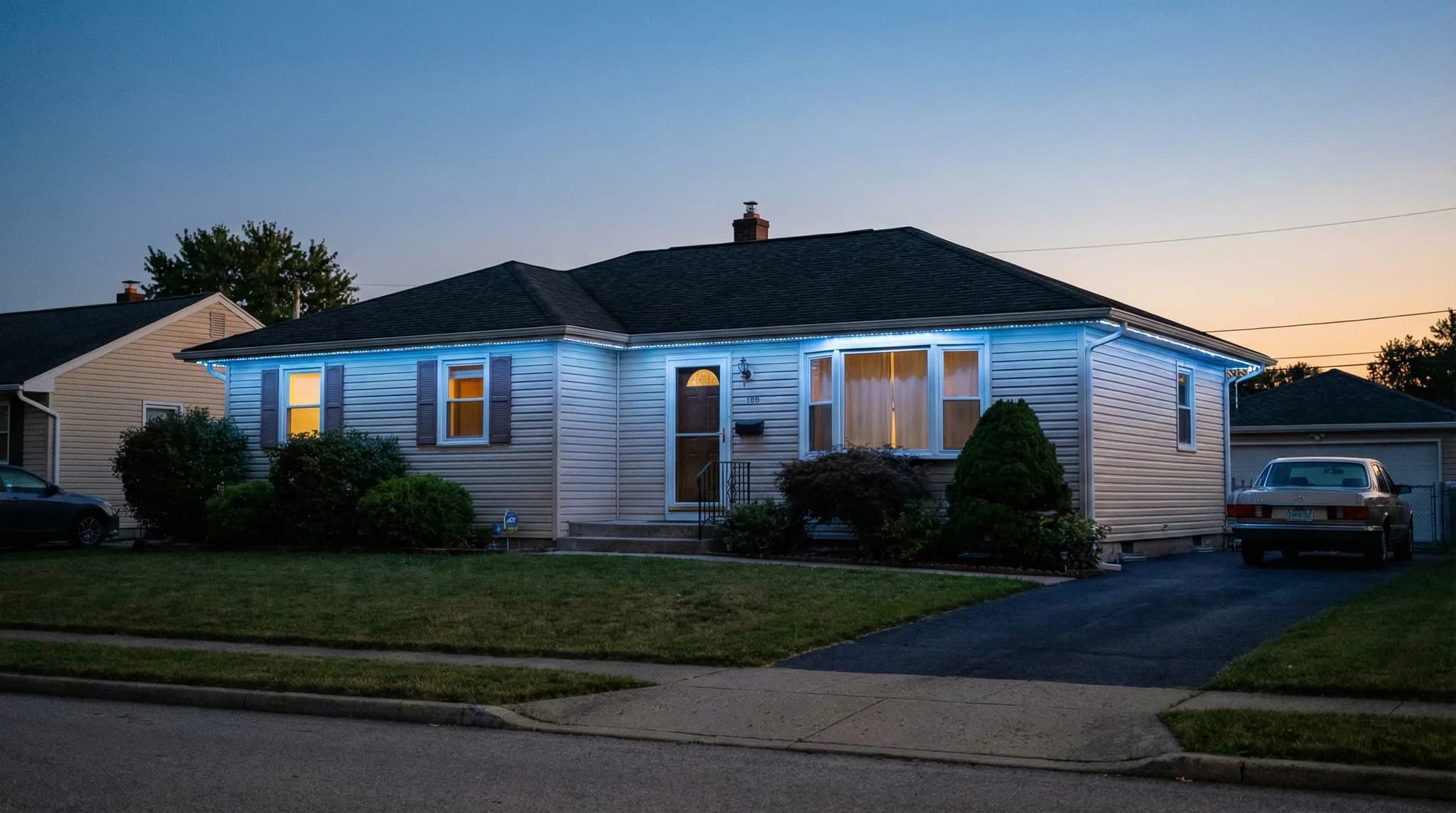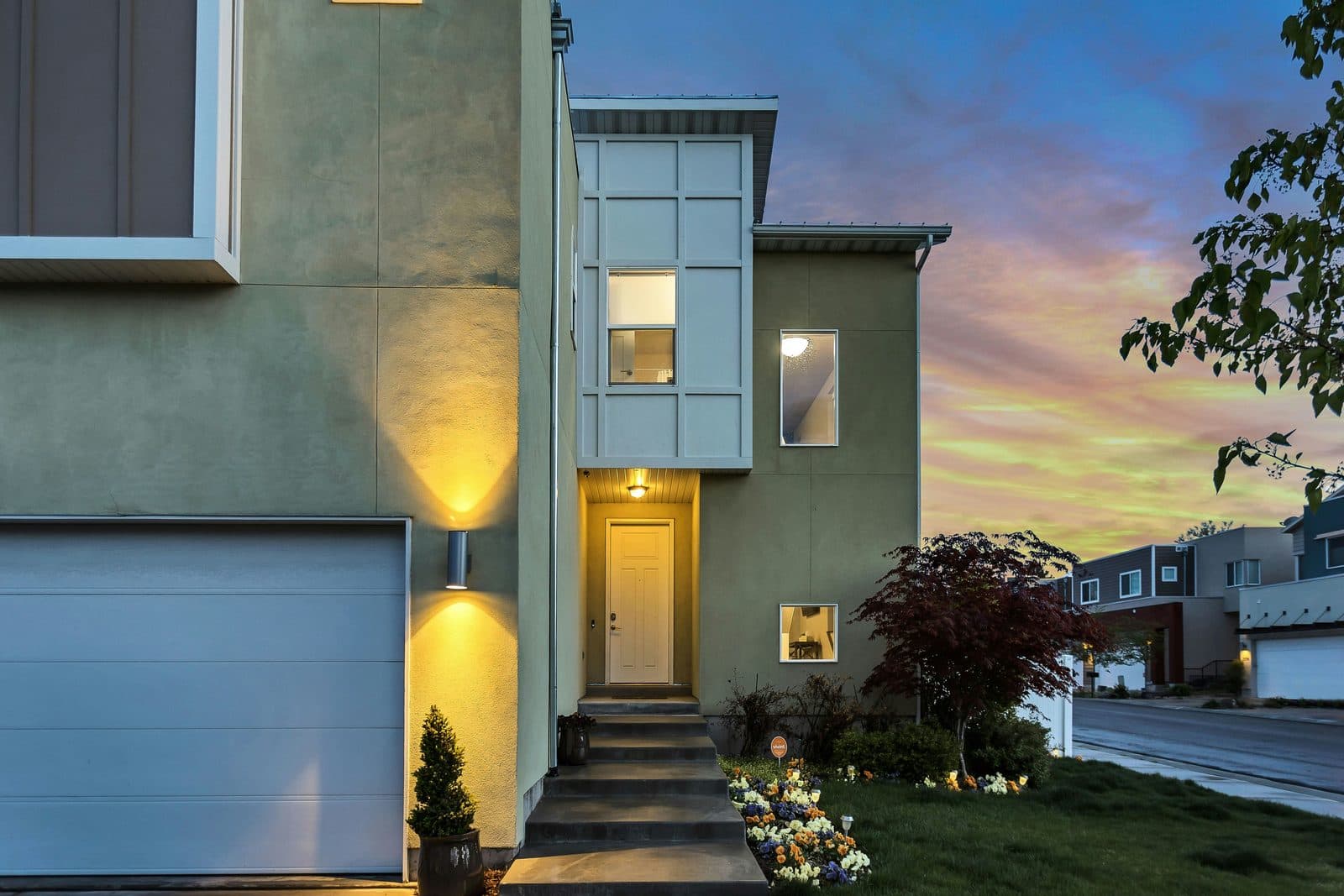
Permanent LED lights on patios, pergolas, and patio covers transform Sacramento backyards into year-round outdoor living spaces – no string lights or extension cords required.
Permanent outdoor lights work on more than just rooflines. Sacramento homeowners are installing the same app-controlled LED track systems on patios, pergolas, patio covers, pool areas, and outdoor kitchens – turning backyard structures into year-round entertaining spaces with one-tap color control and zero string light hassle.
Sacramento's climate makes this a particularly high-value upgrade. With average summer highs reaching 92°F (Weather Spark) and roughly 269 sunny days per year, Sacramento residents spend more time outdoors than most of the country. About 14% of Sacramento homes have pools (Pool Guard USA, 2026), and backyard entertaining is a defining part of the regional lifestyle. Permanent LED lighting extends usable outdoor hours well past sunset without the fire risk, tangled cords, or burned-out bulbs of traditional patio lighting.
This guide covers where permanent lights install on outdoor structures, how the installation differs from roofline work, what it costs in the Sacramento area, and how to plan lighting zones for patios, pergolas, and pool areas. For roofline-specific information, see our permanent light installation process guide.
TL;DR: Permanent outdoor LED lights mount to pergolas, patio covers, pool structures, and outdoor kitchen frames using the same track system as roofline installations. Cost runs $1,500–$4,000 for standalone outdoor structures, or add $800–$2,500 when bundled with a roofline install. Sacramento's 269 sunny days and outdoor-living culture make this one of the highest-use upgrades available. One app controls all zones – roofline, patio, pergola, and pool – from a single controller.
Where Permanent Lights Install on Outdoor Living Structures
Permanent LED track systems mount to any structure with a flat mounting surface. The aluminum channel attaches with mechanical fasteners (screws, not adhesive), and the low-voltage wiring routes back to a central controller – typically installed in the garage. Here are the most common outdoor living applications Sacramento homeowners request.
Patio Covers and Solid Roof Structures
Patio covers are the single most popular outdoor structure for permanent lighting in Sacramento. The LED track mounts along the inner edge of the cover, pointing downward to illuminate the patio floor and seating area. Alumawood and solid-roof patio covers provide an ideal flat fascia for mounting.
- Mounting location: Inner perimeter of the cover, along the fascia or beam edge
- Light direction: Downward wash across the patio surface
- Typical coverage: 40–80 linear feet for a standard Sacramento patio cover
- Best for: Dining areas, seating zones, BBQ/grill stations
Pergolas and Open-Beam Structures
Pergolas require a slightly different approach than solid covers. The LED track mounts along the main support beams or header boards rather than a solid fascia. Open-beam pergolas produce a dramatic effect because the light is visible from multiple angles rather than hidden behind a solid cover edge.
Wood pergolas, aluminum pergolas, and vinyl pergolas all accept mechanical fastener mounting. The installer pre-drills pilot holes to prevent splitting on wood beams and uses self-tapping screws on aluminum and vinyl.
Pool Area Structures
Pool houses, cabanas, shade sails with rigid frames, and pool-adjacent patio covers are all candidates for permanent LED lighting. The key requirement is a rigid mounting surface within reach of the low-voltage wiring run from the controller.
Pool area lighting serves double duty: ambient entertaining light and safety and security illumination around wet surfaces. Sacramento homeowners with pools frequently request a dedicated “pool zone” in the app so they can control pool-area lighting independently from the roofline and patio zones.
Outdoor Kitchens and Entertainment Structures
Built-in outdoor kitchens, bar areas, and fire pit pavilions are increasingly common in Sacramento backyards. Permanent LED track mounts along the overhead structure above the cooking or bar surface, providing task lighting for grilling and prep work alongside ambient color for entertaining.
Most Popular Outdoor Structures for Permanent Lighting in Sacramento
Patio and Pergola Lighting Cost in Sacramento
Outdoor structure lighting costs less than a full roofline installation because the linear footage is shorter and the mounting height is lower. Here is how pricing breaks down for Sacramento-area projects.
| Structure Type | Standalone Cost | Add-On to Roofline | Typical Linear Feet |
|---|---|---|---|
| Patio cover (standard) | $1,500–$2,500 | $800–$1,500 | 40–80 ft |
| Pergola (wood or aluminum) | $1,200–$2,200 | $700–$1,300 | 30–60 ft |
| Pool house / cabana | $2,000–$4,000 | $1,200–$2,500 | 50–120 ft |
| Outdoor kitchen overhead | $1,000–$1,800 | $600–$1,000 | 20–40 ft |
| Full backyard (roofline + patio + pergola) | $5,000–$10,000 | — | 150–300+ ft |
Prices reflect Sacramento-area estimates including materials, labor, and controller setup. Add-on pricing assumes the roofline controller and wiring infrastructure are already in place. Get an exact quote from EXT Lighting.
The biggest cost savings come from bundling. When a homeowner installs roofline lights and patio or pergola lights in the same visit, the controller, wiring run, and app setup are shared across all zones. That shared infrastructure is why the “add-on” price is 40–60% less than a standalone outdoor structure installation. For full roofline pricing details, see our Sacramento permanent outdoor lights cost guide.
Pro Tip
If you are planning a patio cover, pergola, or outdoor kitchen build in the next 12 months, mention permanent lighting during the design phase. Running low-voltage wiring conduit during construction costs a fraction of retrofitting later. EXT Lighting coordinates with Sacramento patio cover contractors to pre-wire structures before the finished surface goes up.
How Outdoor Structure Installation Differs from Roofline Work
The core technology is identical – same LED track, same controller, same app. But the installation process for patios and pergolas differs from roofline work in several practical ways.
- Lower mounting height. Most patio covers and pergolas sit 8–10 feet off the ground versus 15–25 feet for a second-story roofline. This reduces ladder and lift requirements, which is one reason the labor cost is lower.
- Wiring runs are longer. The controller is typically in the garage, and outdoor structures may be 30–80 feet from the home. Low-voltage wiring is buried in conduit or run along fence lines and eaves to reach detached structures.
- Multiple mounting surfaces. A roofline installation follows a single continuous fascia board. Outdoor structures may involve beams, headers, joists, and posts – each requiring different fastener placement and track routing.
- Zone configuration matters more. Homeowners with outdoor structures almost always want independent zone control – patio lights at warm white while the roofline runs holiday colors, or pool lights dimmed to 20% while the outdoor kitchen stays at full brightness.
- Weather exposure increases. Roofline track is partially protected by the roof overhang. Stucco and tile roof installations benefit from tile overhang. Pergola and patio cover lighting is more exposed to direct sun, rain, and Sacramento's summer heat. IP67-rated systems handle this without issue, but maintenance frequency may increase from twice per year to three times for fully exposed structures.
Roofline vs. Outdoor Structure: Installation at a Glance
Sacramento Outdoor Living: Why Backyard Lighting Pays Off Here
Sacramento's climate and housing market create an unusually strong case for permanent backyard lighting. The numbers support this.
- 269 sunny days per year: Sacramento receives significantly more sun than the national average of 205 days (Best Places). That translates to more outdoor living hours – and more evenings that benefit from permanent lighting.
- 92°F average summer highs: Sacramento's hot days push outdoor activity into the evening hours when temperatures drop into the low 70s (Weather Spark). Evening entertaining is the default during June through September.
- 14% of homes have pools: Sacramento's pool ownership rate (Pool Guard USA, 2026) reflects a backyard culture that prioritizes outdoor living. Pool-adjacent lighting is a natural companion upgrade.
- 8–12% home value increase: Well-executed outdoor living spaces add 8–12% to home value with ROI exceeding 80% when quality is prioritized (Platinum Properties / NAR, 2025).
Sacramento homeowners in Roseville, Rocklin, Folsom, and Elk Grove frequently have larger lots with dedicated outdoor living areas. These neighborhoods see the highest demand for multi-zone permanent lighting that covers both the front roofline and backyard structures. For details on how outdoor lighting affects home value, see our permanent lights and home value guide.
Sacramento Outdoor Living by the Numbers
Zone Planning: How to Light Multiple Outdoor Areas with One System
The real power of permanent lighting on outdoor structures is zone control. One controller and one app manage every lighting zone on the property – roofline, patio, pergola, pool, outdoor kitchen – with independent color, brightness, and scheduling for each.
Here is how Sacramento homeowners typically set up their zones:
Zone Layout for a Typical Sacramento Backyard
- Front roofline (Zone 1): Warm white at 80% brightness, dusk to midnight daily. Holiday colors on a schedule. This is the curb appeal zone.
- Patio cover (Zone 2): Warm white at 60% for everyday use. Full brightness or party colors when entertaining. Independent on/off from the roofline.
- Pergola or gazebo (Zone 3): Often set to a dimmer warm tone for ambient evenings. Music-sync mode for parties. Off during the day.
- Pool area (Zone 4): Low-intensity warm white or blue for evening swimming. Dimmed to 10–20% for security after pool hours. Color themes for pool parties.
Each zone operates on its own schedule. The smart lighting app lets you save “scenes” that activate multiple zones with one tap – a “Backyard Party” scene might set the patio to teal, the pergola to warm white, and the pool area to slow-cycling blue, all at preset brightness levels.
Pro Tip
Ask your installer to create a “Security Mode” scene during setup: all zones at 10% warm white from midnight to 6 AM. This provides consistent exterior illumination across the entire property at minimal electricity cost (roughly $0.50–$1.00/month for the overnight hours at SMUD rates). It is one of the most underutilized features of multi-zone permanent lighting.
Permanent Lights vs. String Lights and Traditional Patio Lighting
Most Sacramento backyards currently use string lights, solar stake lights, or plug-in floodlights for patio illumination. Permanent LED track systems replace all of these with a single, integrated solution. Here is how they compare.
| Feature | Permanent LED Track | String Lights | Solar Stake Lights |
|---|---|---|---|
| Lifespan | 15–25 years | 1–3 years outdoor | 1–2 years |
| Color control | 16M+ colors via app | Fixed (warm white) | Fixed or limited |
| Scheduling | App-automated, zone-based | Manual or basic timer | Dusk-to-dawn only |
| Weather rating | IP67 (dust/water sealed) | IP44 typical | IP44–IP65 |
| Appearance | Flush-mounted, nearly invisible off | Visible bulbs and wires | Visible stake fixtures |
| 5-year cost | $1,500–$2,500 (one-time) | $300–$750 (replacements) | $200–$500 (replacements) |
String light and solar light lifespan reflects outdoor use in Sacramento's UV-heavy, hot climate. Indoor-rated string lights degrade faster when exposed to direct sun.
The visual difference is the biggest factor for most homeowners. String lights create a casual, temporary look. Permanent LED track is nearly invisible when off and produces clean, architectural lighting when on. For Sacramento homeowners who have invested in quality patio covers or pergolas, permanent lighting matches the permanence of the structure itself. The same comparison logic applies to roofline lighting – see our permanent lights vs. Christmas lights comparison for the full breakdown.
Entertaining with Permanent Outdoor Lights: Sacramento Use Cases
Permanent lighting on outdoor structures goes well beyond “turning the lights on.” Sacramento homeowners use zone control and color scheduling for specific entertaining scenarios.
Backyard Dinner Parties
Set the patio cover to warm white at 70% brightness for a comfortable dining ambiance. Dim the pergola to 30% for a soft background glow. The year-round color options let you match lighting to seasonal themes – warm amber for fall harvest dinners, soft gold for New Year's Eve.
Pool Parties
Cycle the pool zone through slow color transitions while keeping the patio at full warm white for food service areas. Music-sync mode on supported systems pulses the pool lighting to the beat. The safety benefit is significant – consistent pool perimeter lighting eliminates dark zones around wet surfaces.
Game Day Watch Parties
Sacramento Kings purple and white. San Francisco 49ers red and gold. UC Davis blue and gold. Pre-save team color scenes in the app and switch with one tap before kickoff or tip-off. The outdoor structure lighting sets the mood while the TV or projector handles the game.
Holiday Entertaining
The roofline runs holiday colors visible from the street. The backyard structures run a complementary palette for guests gathered in the outdoor living space. Halloween orange and purple on the pergola while the patio cover runs flickering amber. Christmas warm white on the patio while the roofline cycles red and green.
How Sacramento Homeowners Use Backyard Permanent Lighting
Ready to Light Up Your Outdoor Living Space?
EXT Lighting designs multi-zone systems for Sacramento patios, pergolas, pools, and outdoor kitchens. Free property assessment included.
Get a Free Backyard Lighting QuoteWhat to Consider Before Installing on Outdoor Structures
Before scheduling an installation on your patio, pergola, or pool structure, run through these considerations with your installer.
- Electrical access: The controller needs a standard 120V outlet, typically in the garage. Low-voltage wiring runs from the controller to each structure. Verify the distance from the controller to the farthest outdoor structure – runs over 100 feet may require a signal booster or second controller.
- Structure condition: The mounting surface (fascia, beam, header) must be structurally sound. Rotting wood, corroded aluminum, or loose fastener points should be repaired before installation. The installer will assess this during the site visit.
- HOA considerations: If your HOA has lighting rules, backyard structures may be treated differently than front-facing rooflines. Some HOAs regulate front exterior lighting strictly but allow more flexibility for rear-yard structures not visible from the street.
- Detached structures: Detached pergolas, pool houses, and gazebos require a buried conduit run from the home. Factor in 3–5 feet of trenching depth and any hardscape (concrete, pavers) that the conduit must cross. Your installer will survey the path during the consultation.
- Sacramento building codes: Low-voltage LED lighting (under 50V) typically does not require a building permit in Sacramento. However, any new electrical circuits or panel modifications for the controller do require permits. A licensed installer handles permitting when needed.
Best Permanent Light Brands for Outdoor Structures
Not all permanent lighting brands market outdoor structure installations equally. Here is what matters most when evaluating brands for patio, pergola, and pool applications.
- IP67 or higher rating: Outdoor structures have more direct weather exposure than rooflines. IP67 ensures the track is sealed against dust ingress and temporary water submersion. IP65 systems (common in budget brands) allow some dust penetration over time.
- UV-resistant housing: Sacramento's UV index peaks at 10+ during summer. Powder-coated aluminum channels with UV-stabilized polycarbonate lenses resist fading and clouding. Plastic-only housings degrade faster under direct sun.
- Multi-zone controller support: Confirm the brand's controller supports the number of zones you need. Some entry-level controllers cap at 2–3 zones, which limits backyard expansion.
- Track flexibility: Pergola beams and patio cover edges often include corners and angles. Track systems with flexible connectors or custom-bent sections follow non-linear mounting paths without gaps.
For a full brand-by-brand breakdown rated for Sacramento's climate, see our best permanent outdoor lights for Sacramento homes guide.
Frequently Asked Questions
Can permanent outdoor lights be installed on a pergola?
Yes. Permanent LED track mounts to pergola beams, headers, and posts using mechanical fasteners. Wood, aluminum, and vinyl pergolas are all compatible. The track follows the beam edges and connects back to the same controller that manages your roofline lighting.
How much does it cost to add permanent lights to a patio cover in Sacramento?
A standalone patio cover installation runs $1,500–$2,500 in the Sacramento area. When added to an existing roofline installation, the cost drops to $800–$1,500 because the controller and wiring infrastructure are already in place.
Do permanent outdoor lights work near pools?
Yes. IP67-rated permanent LED systems are sealed against dust and temporary water immersion. They install on pool houses, cabanas, shade structures, and any rigid frame adjacent to the pool. The lights themselves do not go in the water – they mount on overhead structures to illuminate the pool area from above.
Can I control patio lights separately from my roofline lights?
Yes. Permanent lighting systems use zone-based control. Each structure – roofline, patio, pergola, pool area – operates as an independent zone with its own color, brightness, and schedule. One app controls all zones from a single interface.
Are permanent patio lights better than string lights?
For long-term use, yes. Permanent LED track is IP67-rated, lasts 15–25 years, and offers 16 million+ colors with app control. String lights typically last 1–3 years outdoors in Sacramento's climate, offer no color control, and create a more casual aesthetic. String lights cost less upfront but require repeated replacement.
Do I need a separate controller for outdoor structure lights?
Usually not. Most permanent lighting controllers support multiple zones from a single unit. Your roofline, patio cover, pergola, and pool area can all run from one controller installed in the garage. A second controller is only needed if the total LED count exceeds the controller's capacity or the wiring distance exceeds signal range.
Transform Your Sacramento Backyard with Permanent Lighting
EXT Lighting installs permanent LED systems on patios, pergolas, pool structures, and outdoor kitchens across Sacramento, Roseville, Rocklin, and Folsom. Every consultation includes a free property assessment and custom zone plan.
Schedule Your Free Consultation